1. Set the purpose and agenda
Decide what the visit must verify: process capability, equipment, materials, capacity logic, quality controls, traceability, packaging, subcontracting, or readiness for a particular product.
Share an agenda in advance and identify who should attend from technical, quality, and commercial teams. Ask whether photography, sampling, and access to specific areas are permitted.
2. Connect the site to the legal entity
Confirm the name and address of the visited site, the company operating it, and its relationship to the entity that would quote, contract, invoice, and receive payment.
A guided tour can be staged or limited. Compare what you observe with registration records, documents, staff explanations, production records where appropriate, and independent verification proportionate to the risk.
- Who owns or operates the facility?
- Which processes are completed on site?
- Which steps or materials are subcontracted?
- Who controls final inspection and release?
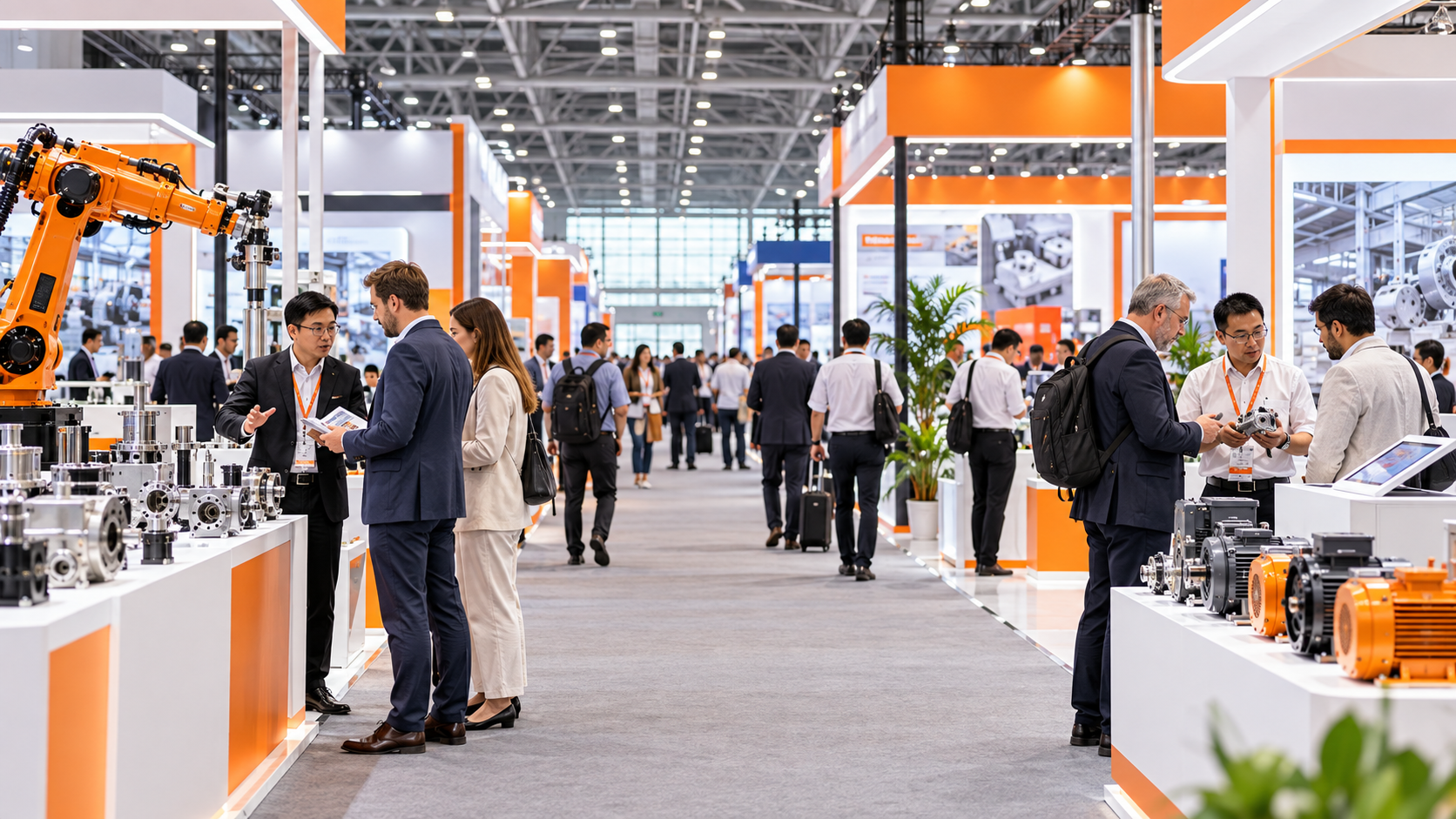
3. Follow the product through the process
Walk through incoming materials, production, in-process checks, nonconforming goods, final inspection, packing, and storage. Ask how specifications and revisions reach the production line.
Look for evidence relevant to your product rather than relying on general certificates or unrelated samples. Any certification should be checked for issuer, holder, product scope, standard, validity, and authenticity.

4. Close with actions and evidence
End the visit by listing open questions, promised documents, sample revisions, responsible people, and target follow-up dates. Send a written summary so misunderstandings can be corrected.
A factory visit is not a guarantee of quality or delivery. Maintain specifications, contracts, approved samples, inspection plans, payment controls, and compliance checks after the visit.